L'Escalier Tete Chien
Sineku
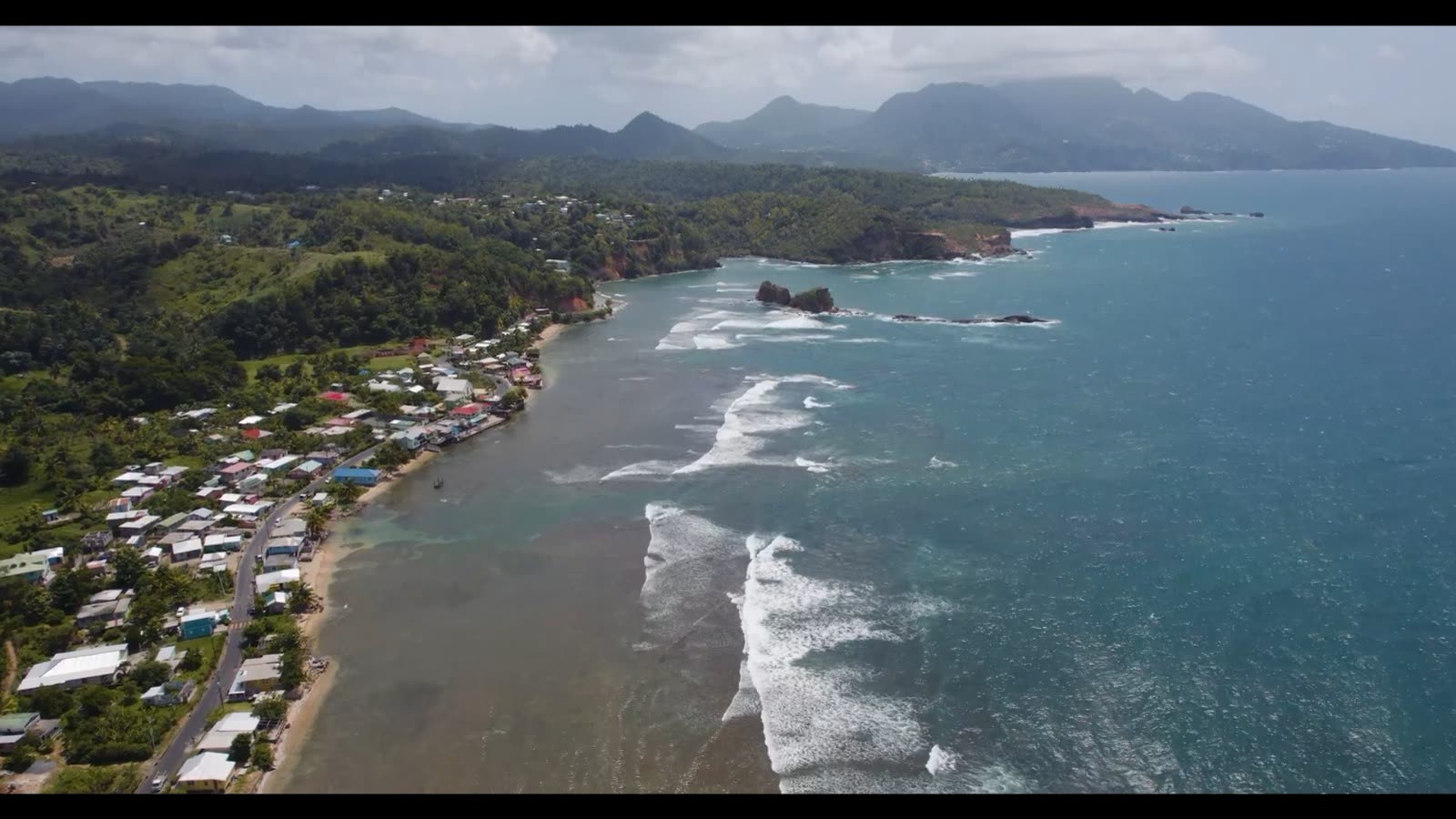
The snake's staircase, a volcanic ridge running into the sea, and the origin story that goes with it.
Eight villages. One shoreline. The last Indigenous nation of the Caribbean, still here.
The snake's staircase, a volcanic ridge running into the sea, and the origin story that goes with it.
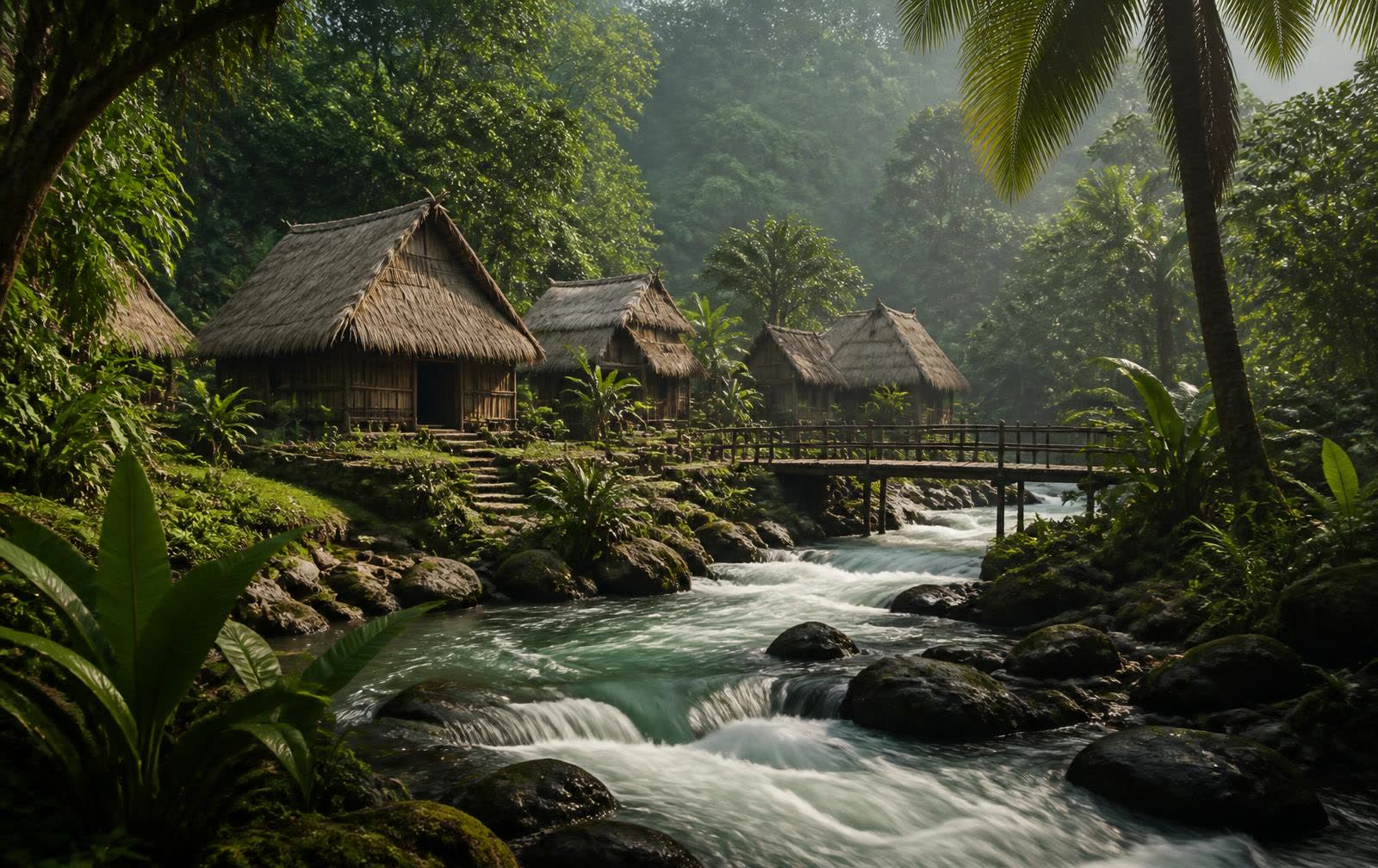
A bamboo crossing links the riverside gardens to the coast road, just above the point where the river meets the sea.
Set between ridge and river, with hillside gardens looking out over the Atlantic.
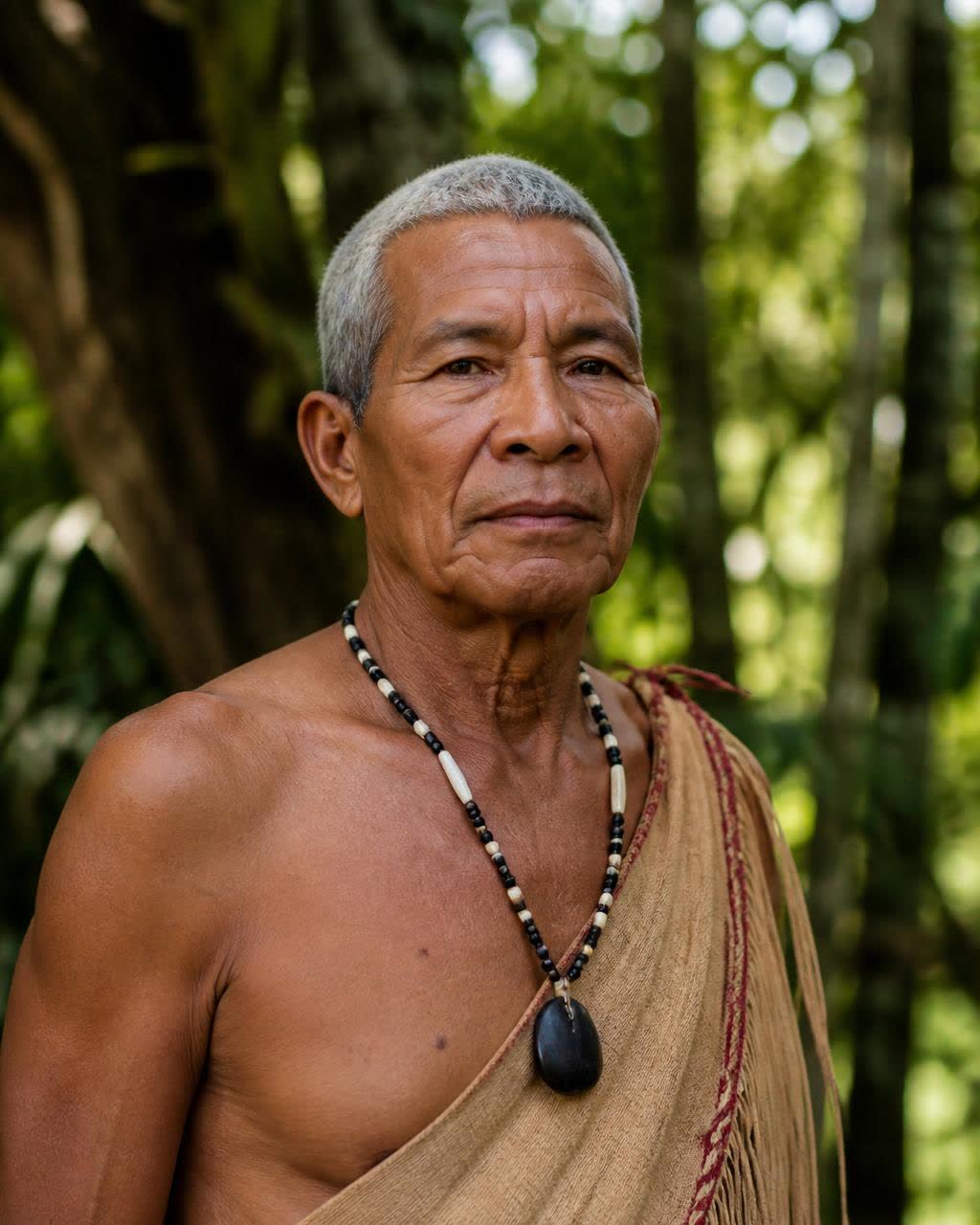
The territory's centre, home to the Kalinago Council and a church whose altar is a carved dugout canoe.
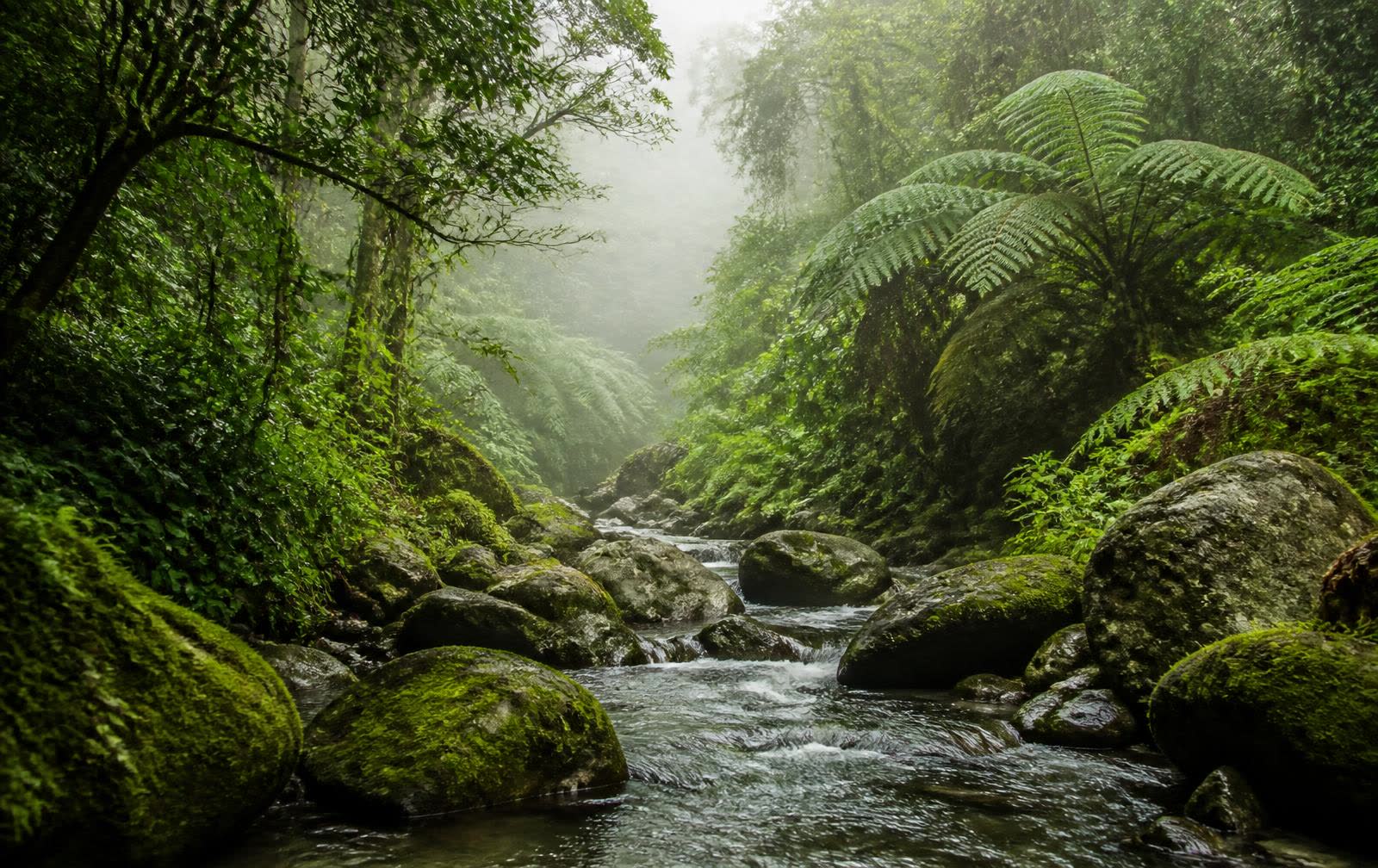
Freshwater pools and a short walk to the coast, where crayfish are still caught by hand at dusk.
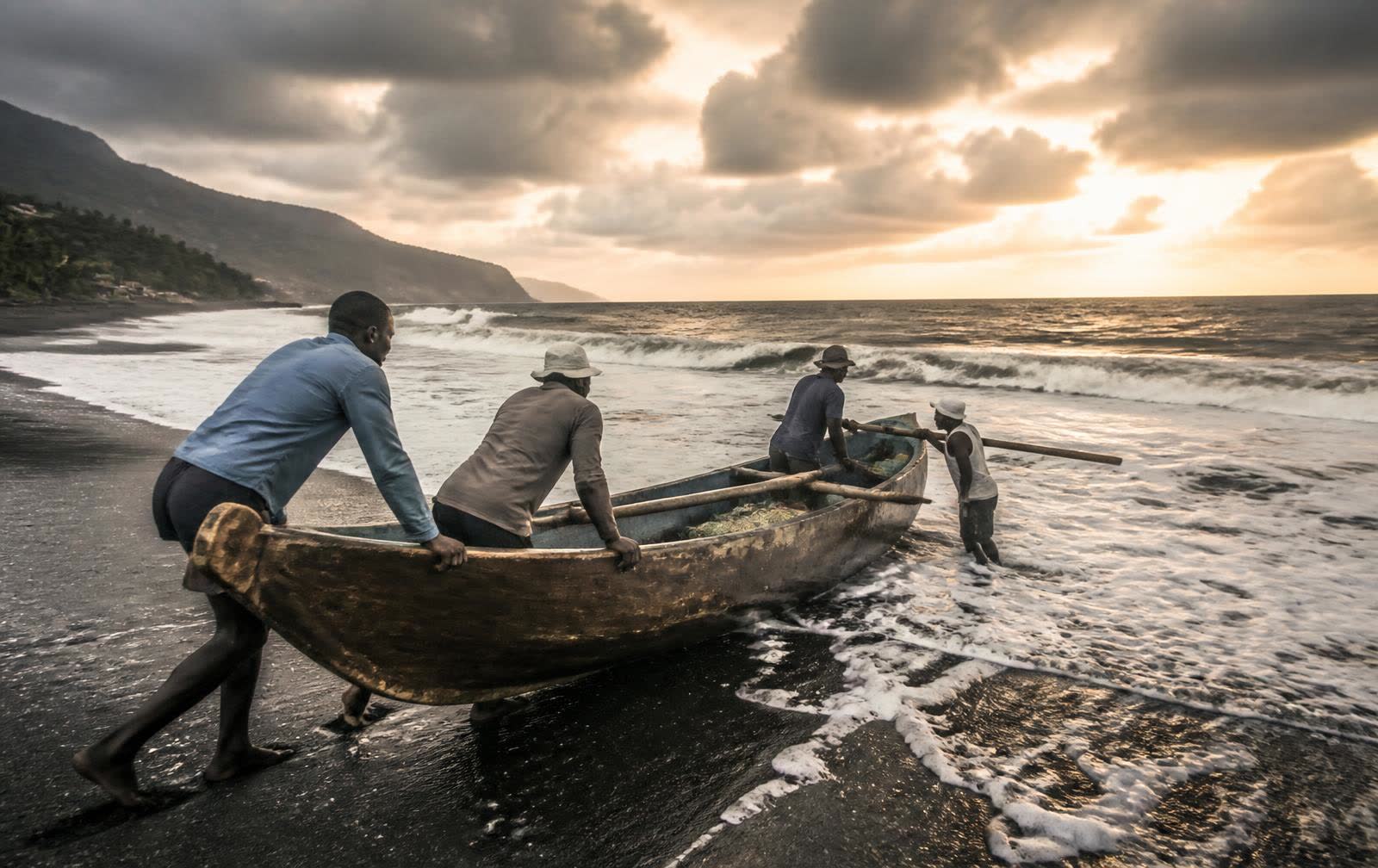
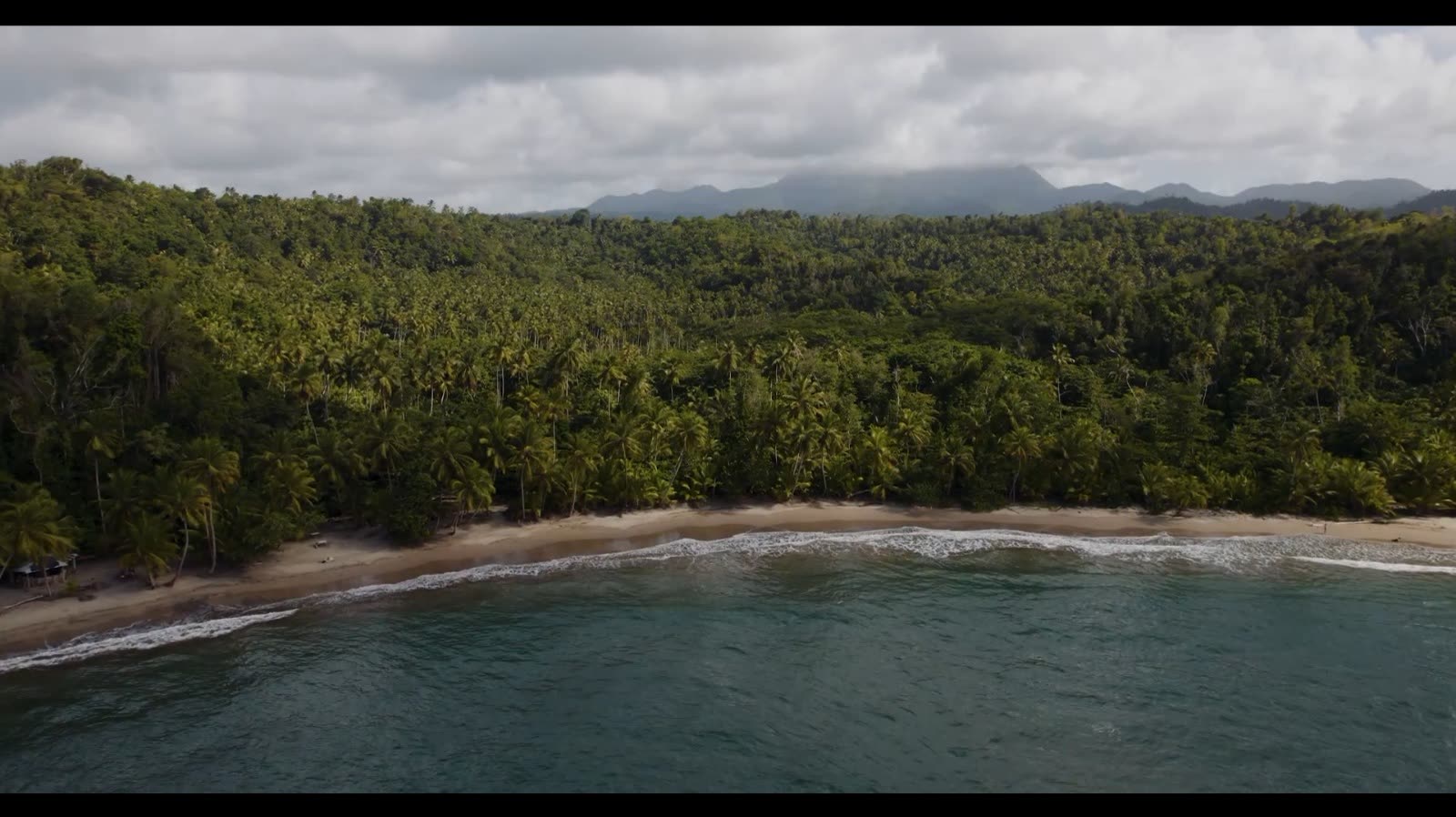
Headlands above open Atlantic surf. On clear mornings you can see Marie-Galante on the horizon.
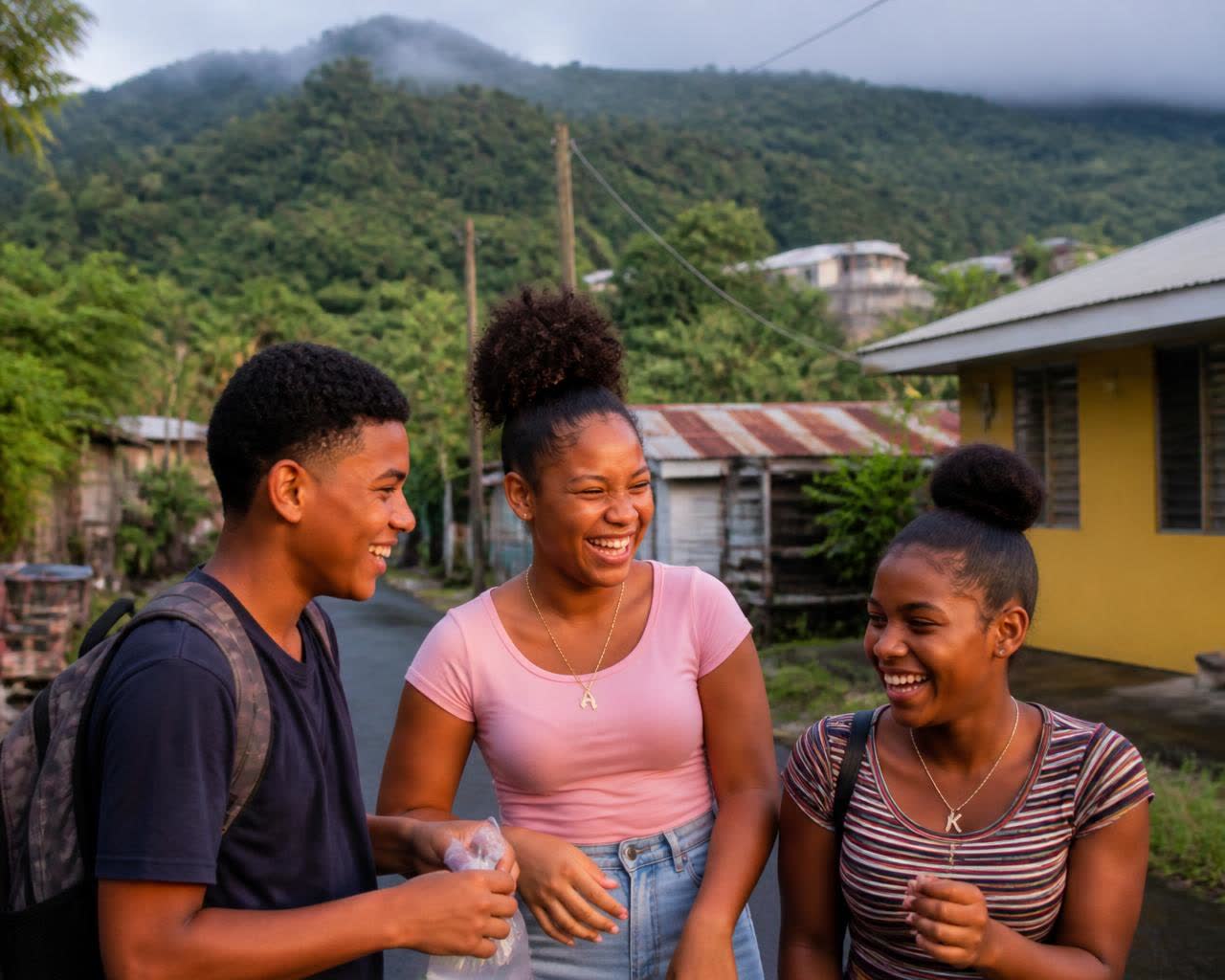
A quiet hamlet on the territory's northern edge, where garden trails climb toward the ridge.
The southern reach of the territory, where Kalinago land stretches into forest toward Castle Bruce.
1493
First documented encounter
1903
Territory established
3,700
Acres held in common
1
Last Indigenous Caribbean nation
Stories pass from elder to child around the fire, keeping history alive in the language it was first told.
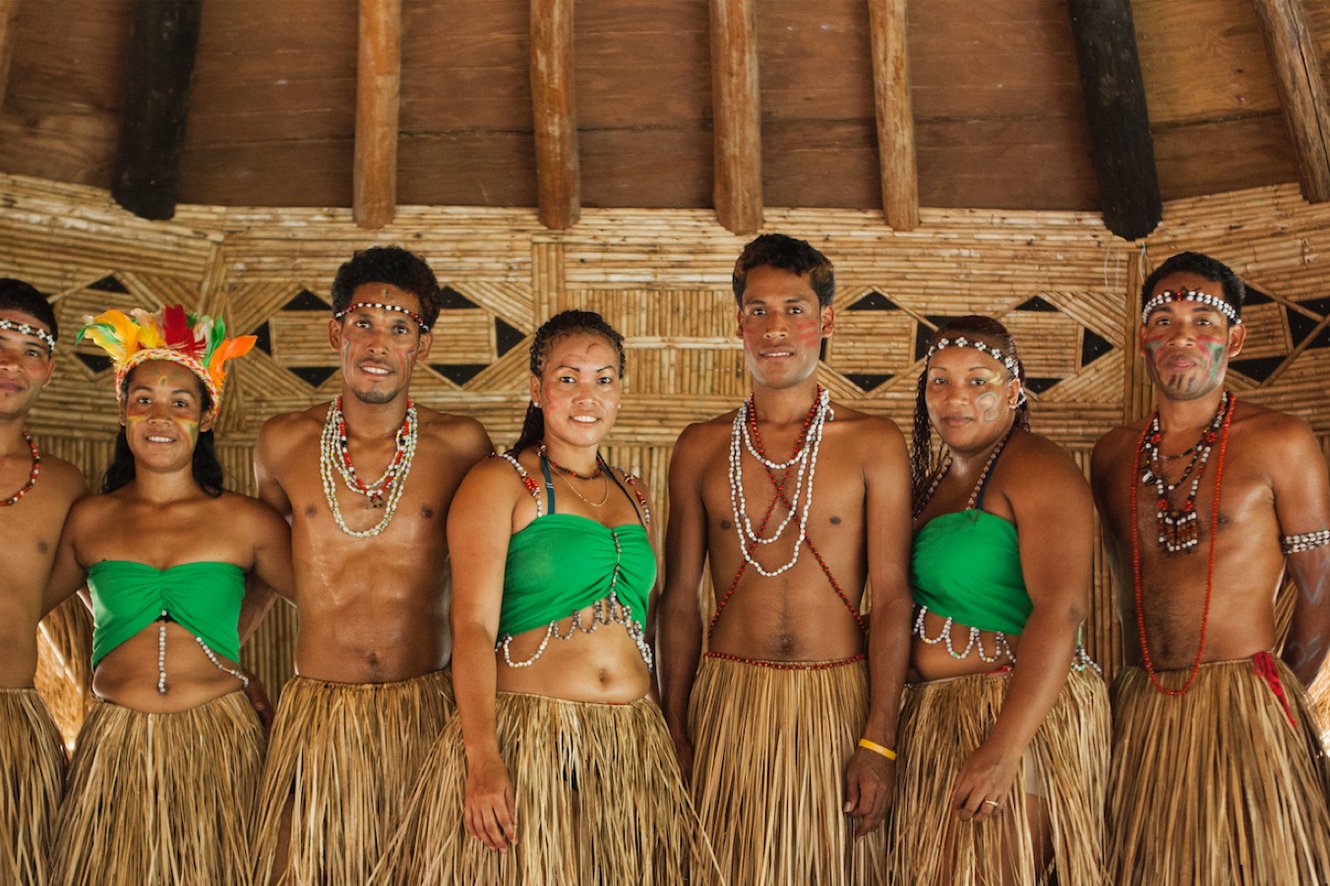
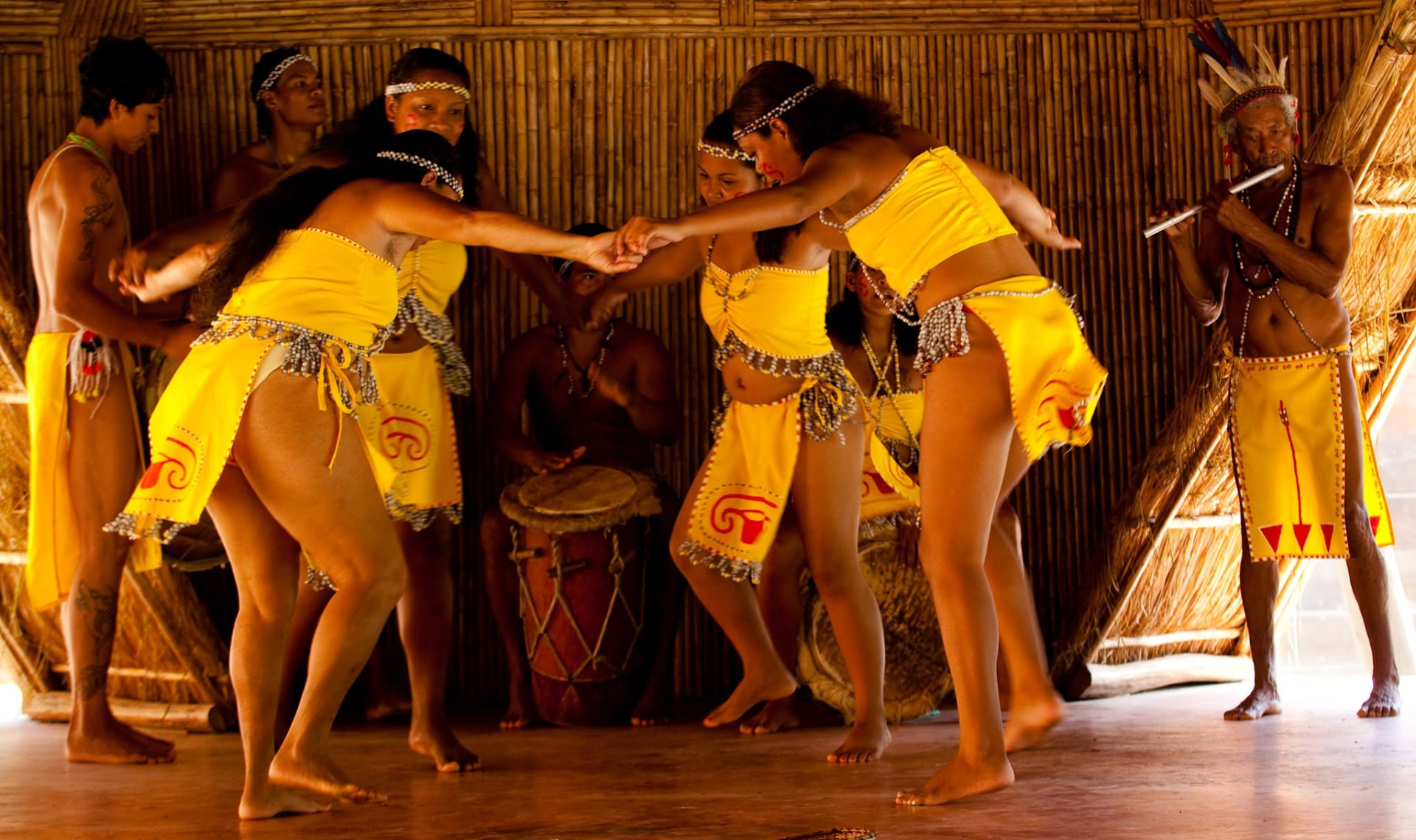
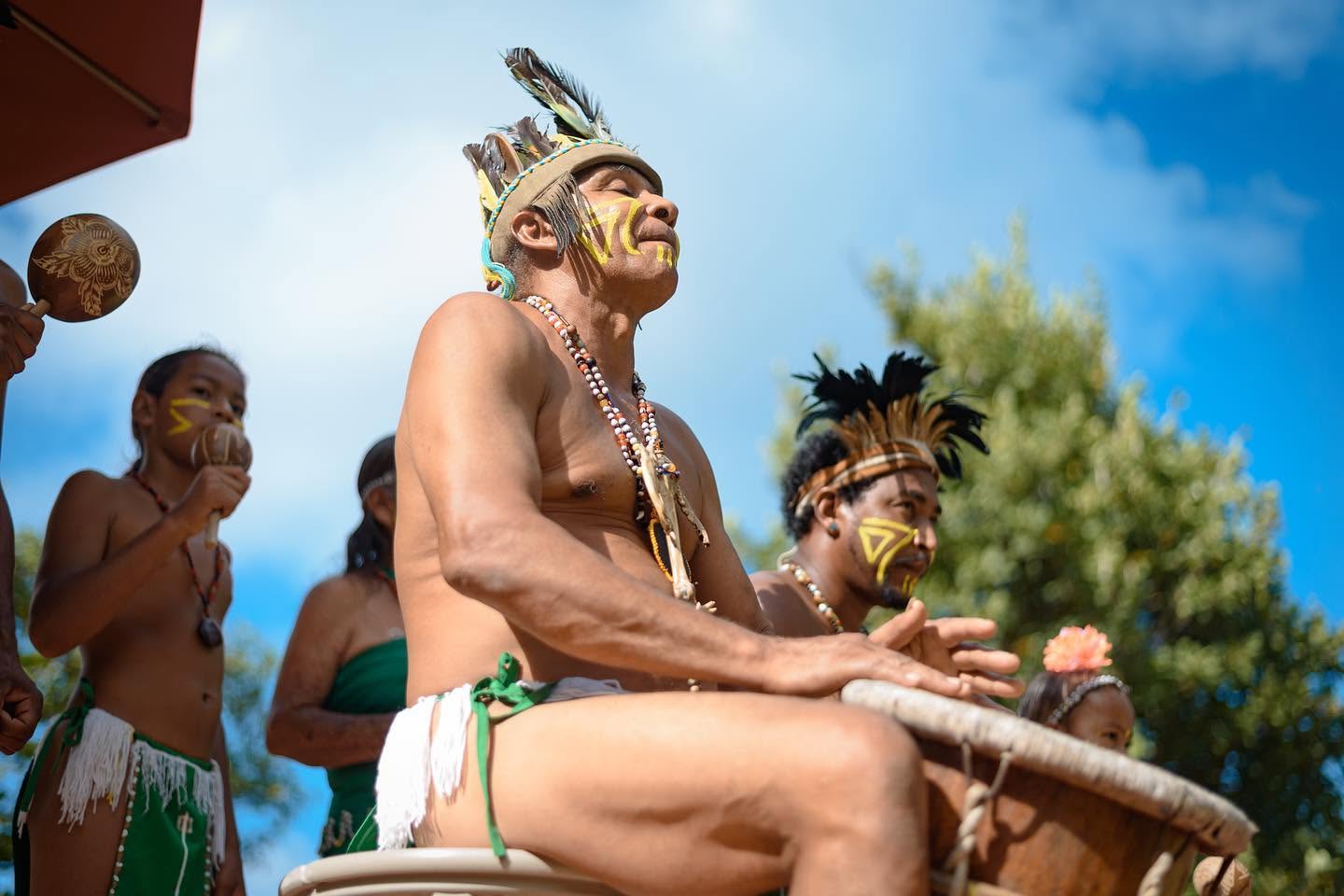
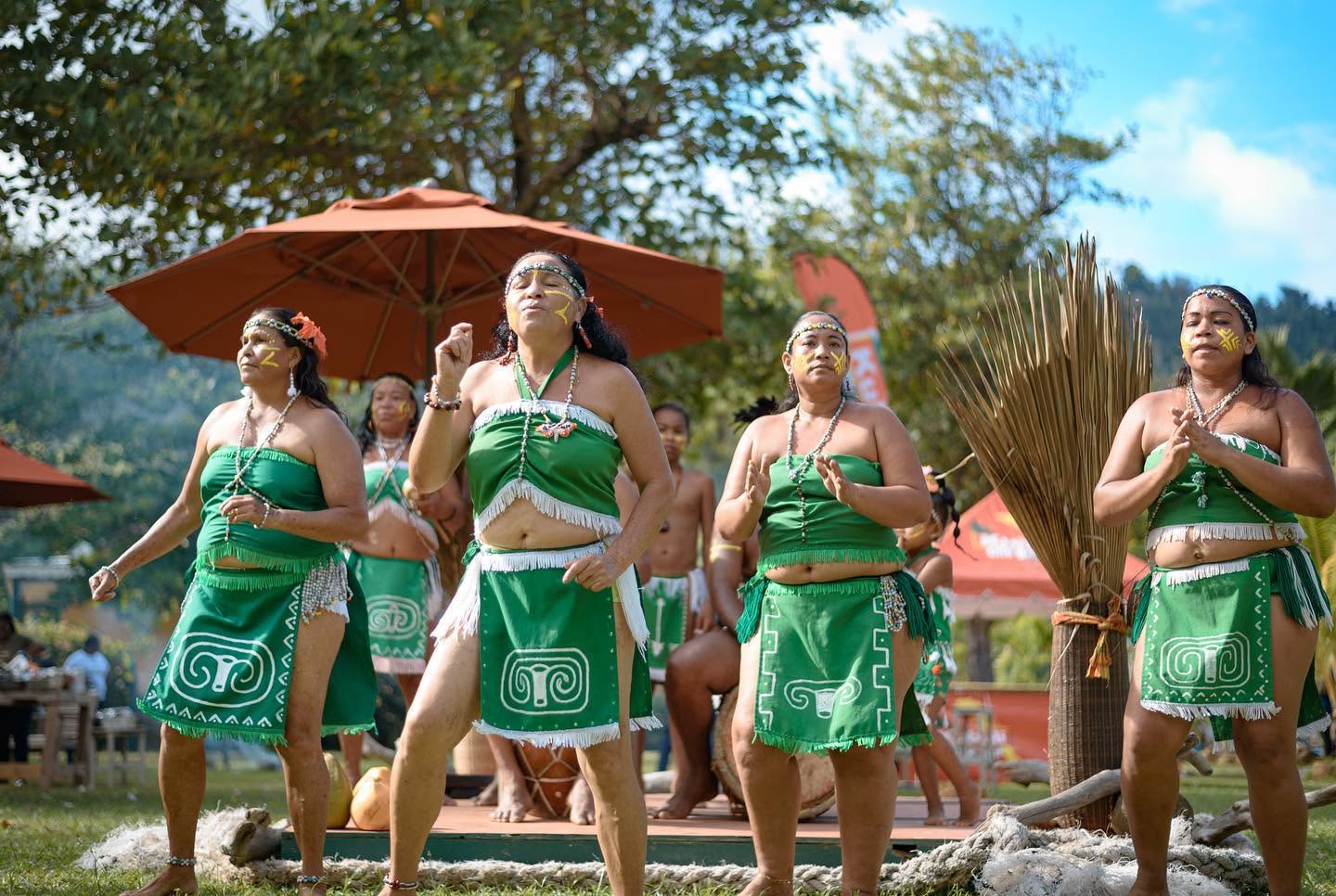
Drums, shakers and call-and-response songs accompany every celebration, from weddings to village gatherings.
The ocean is more than a livelihood. It is a relative, a provider and a teacher that demands respect.
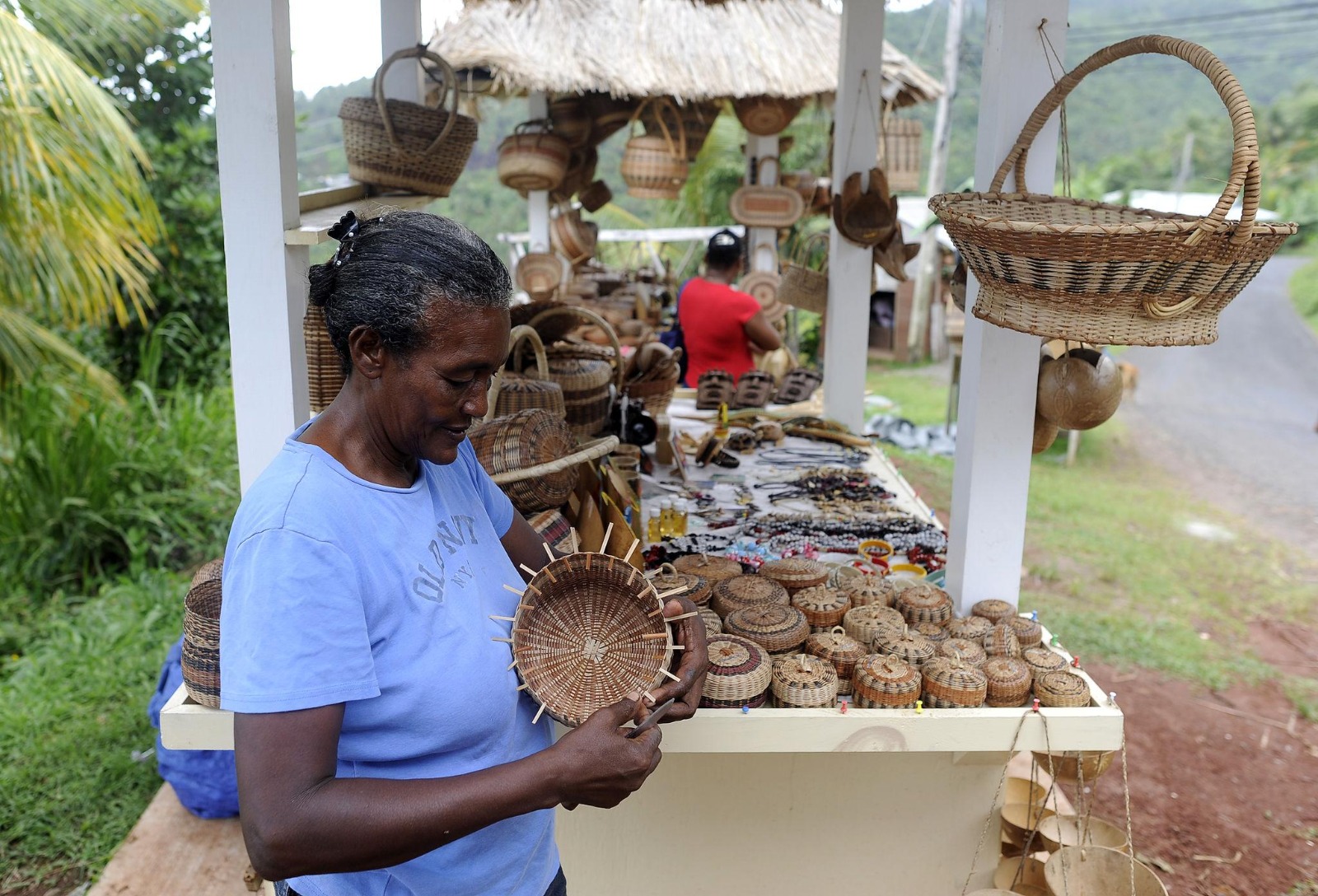
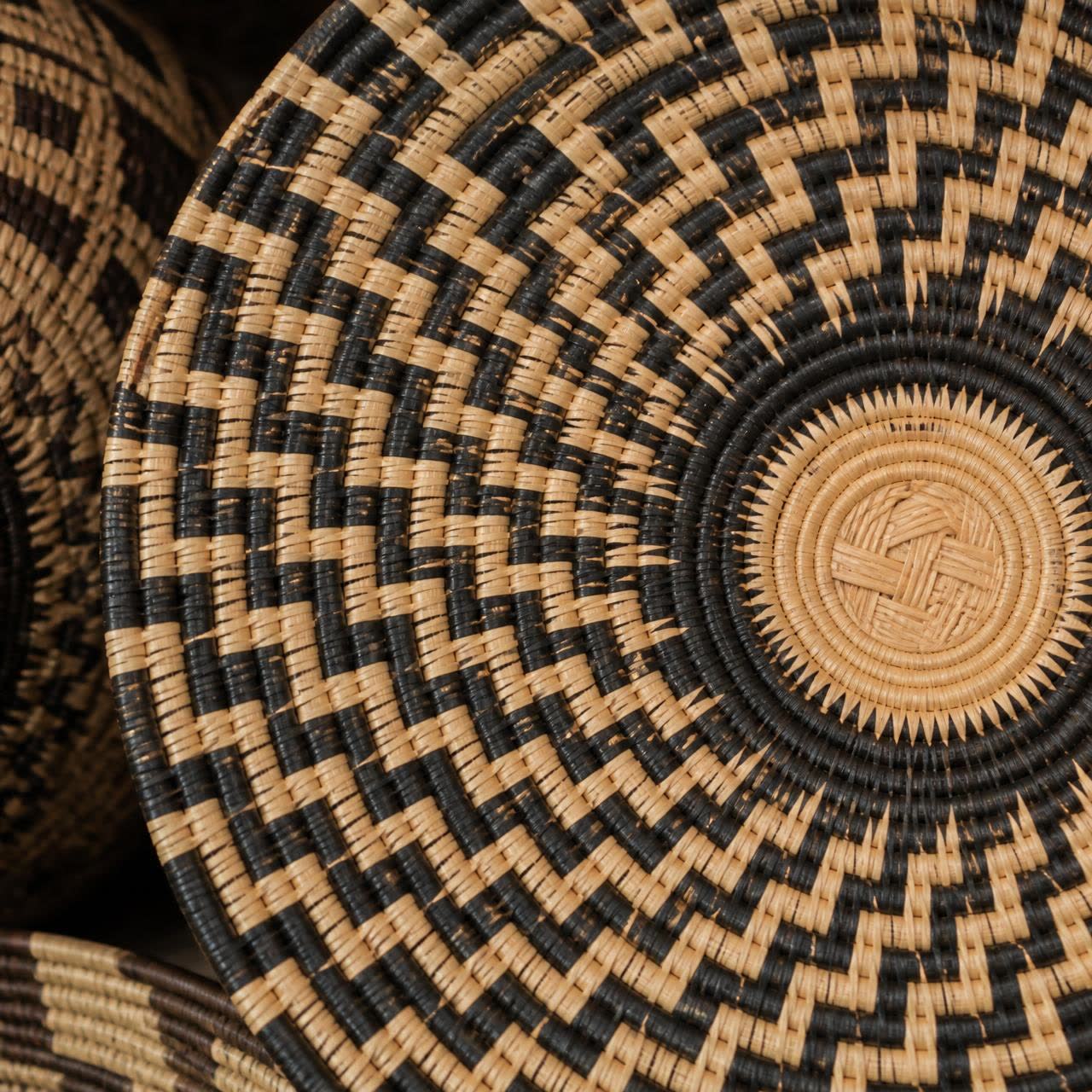
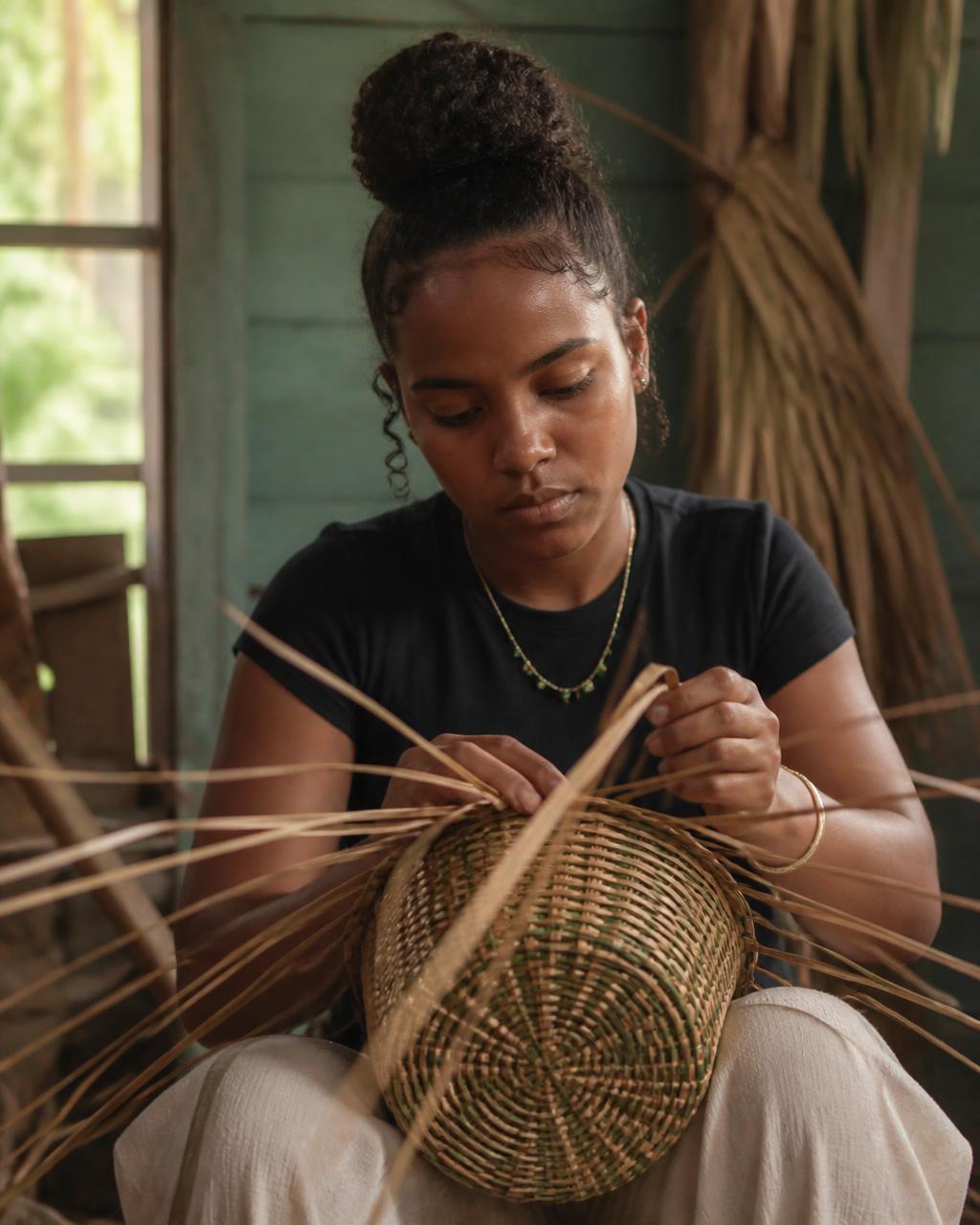
Woven waterproof, dyed with forest roots
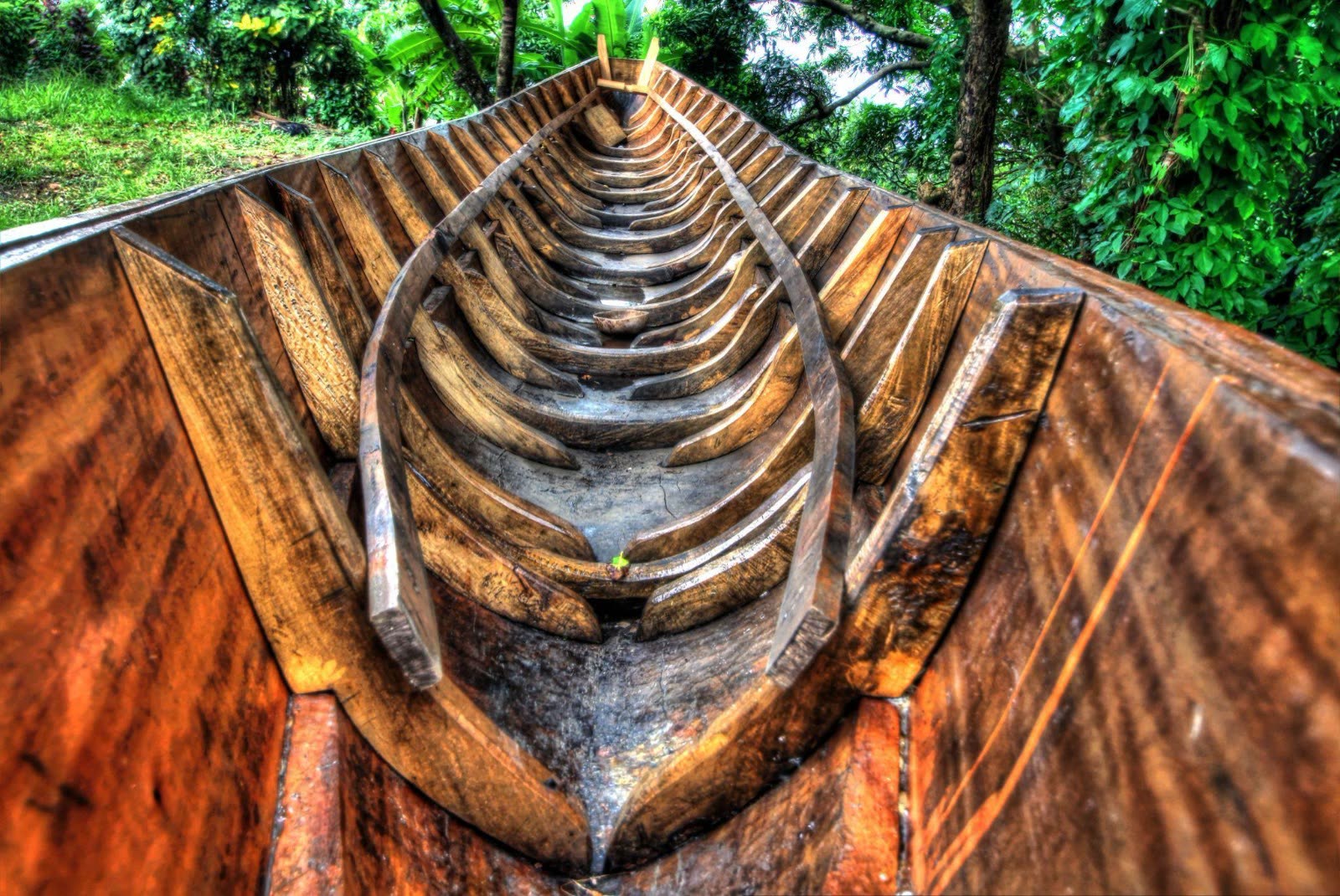
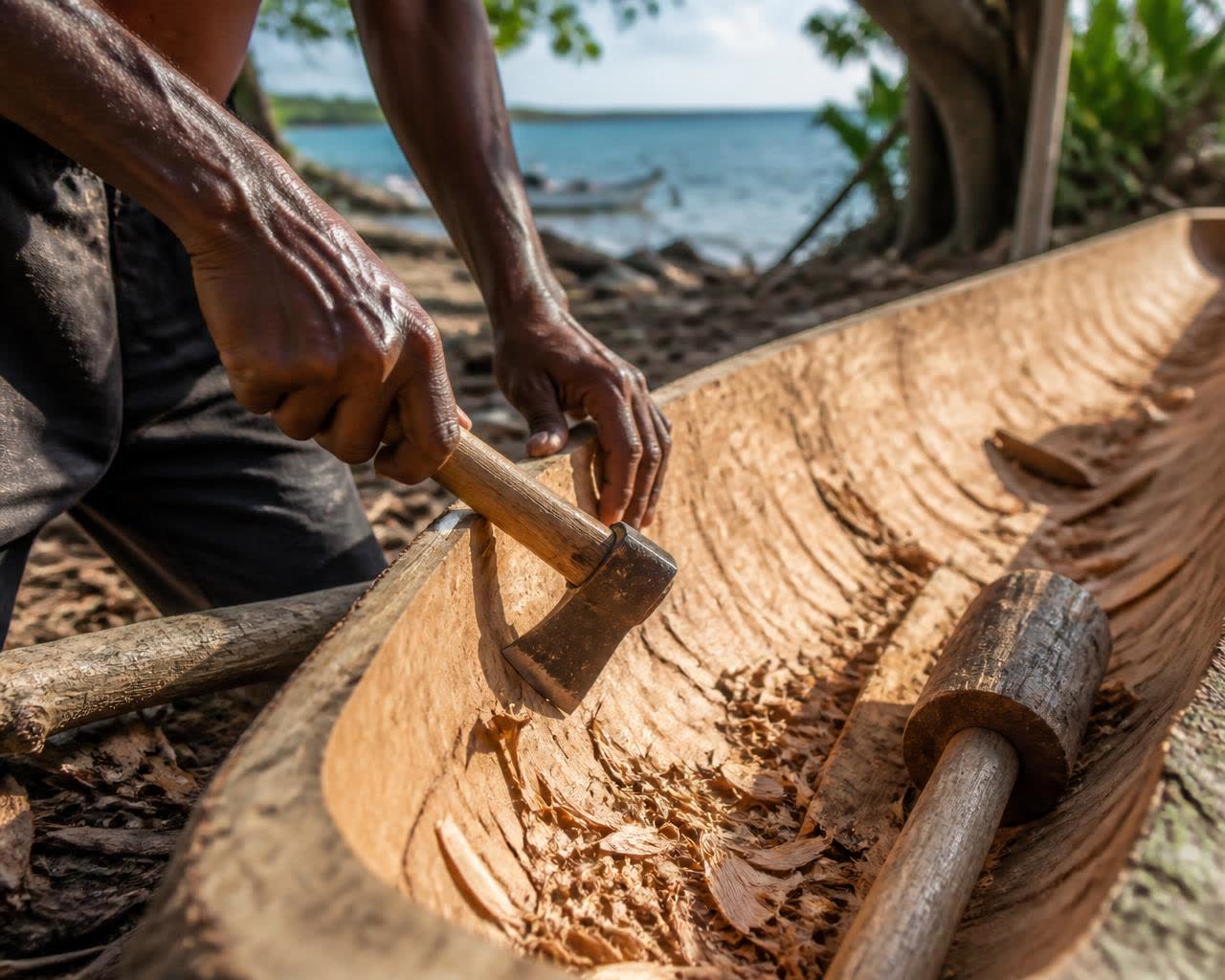
Carved on the beach, launched through surf
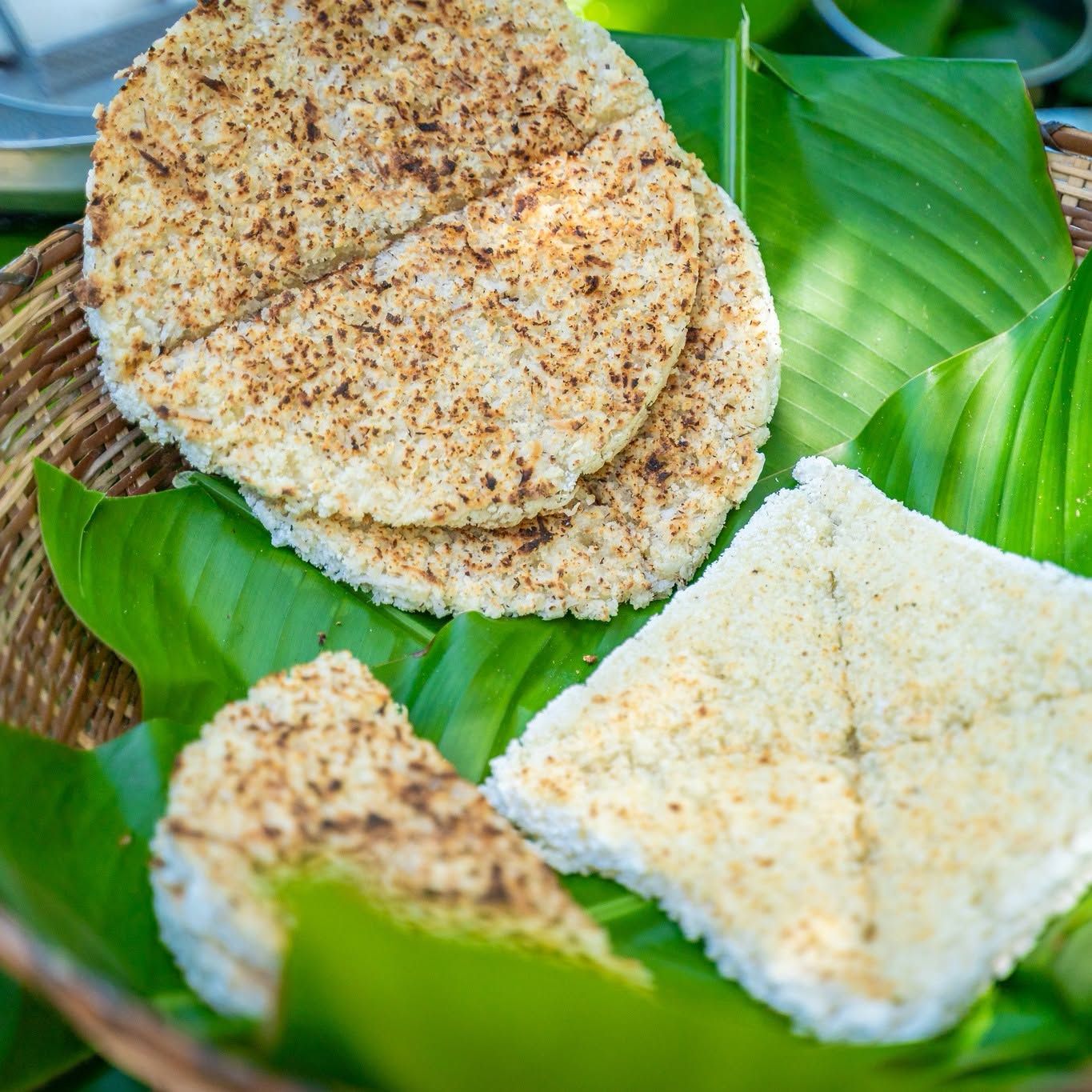
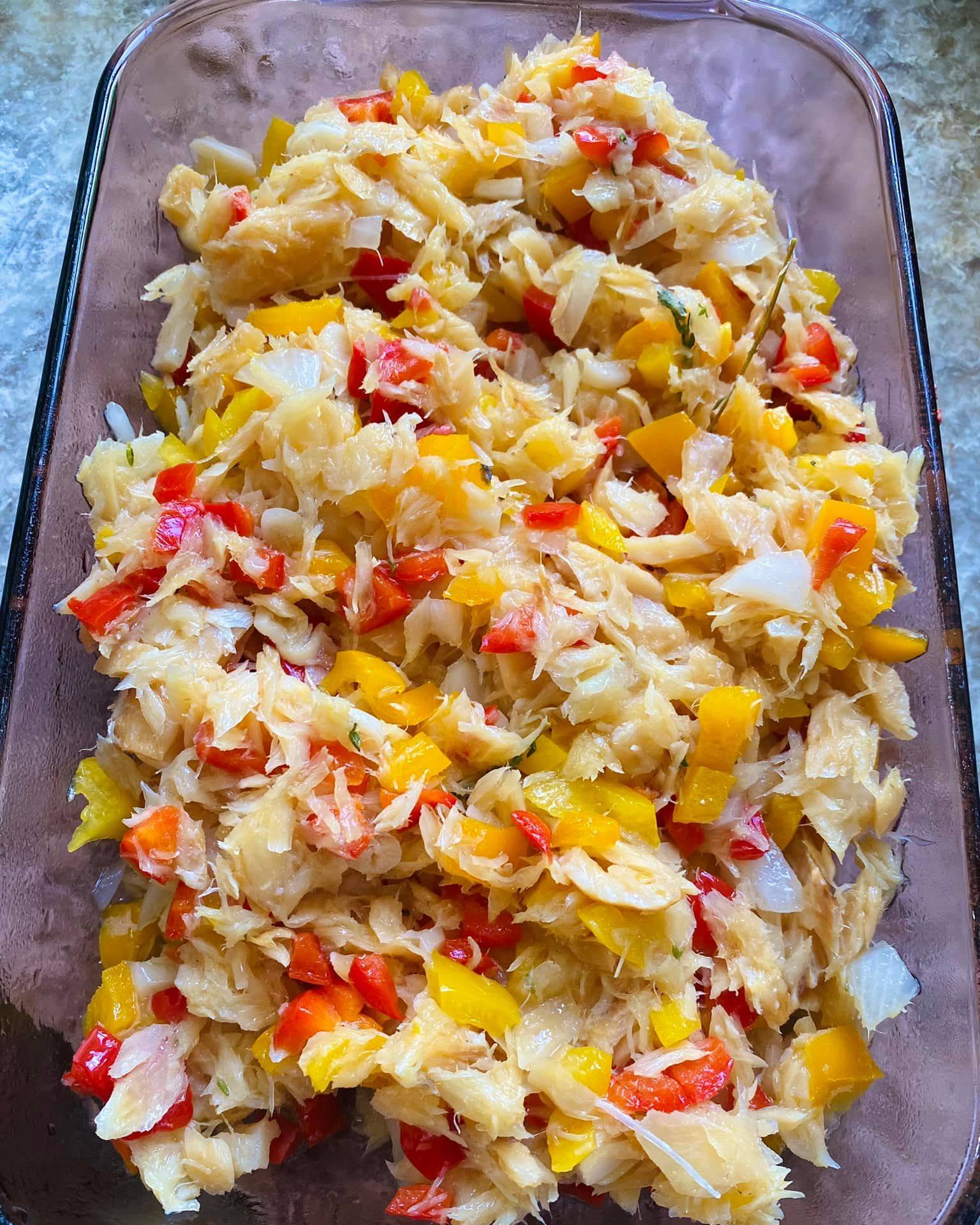
Baked on clay, eaten warm with saltfish
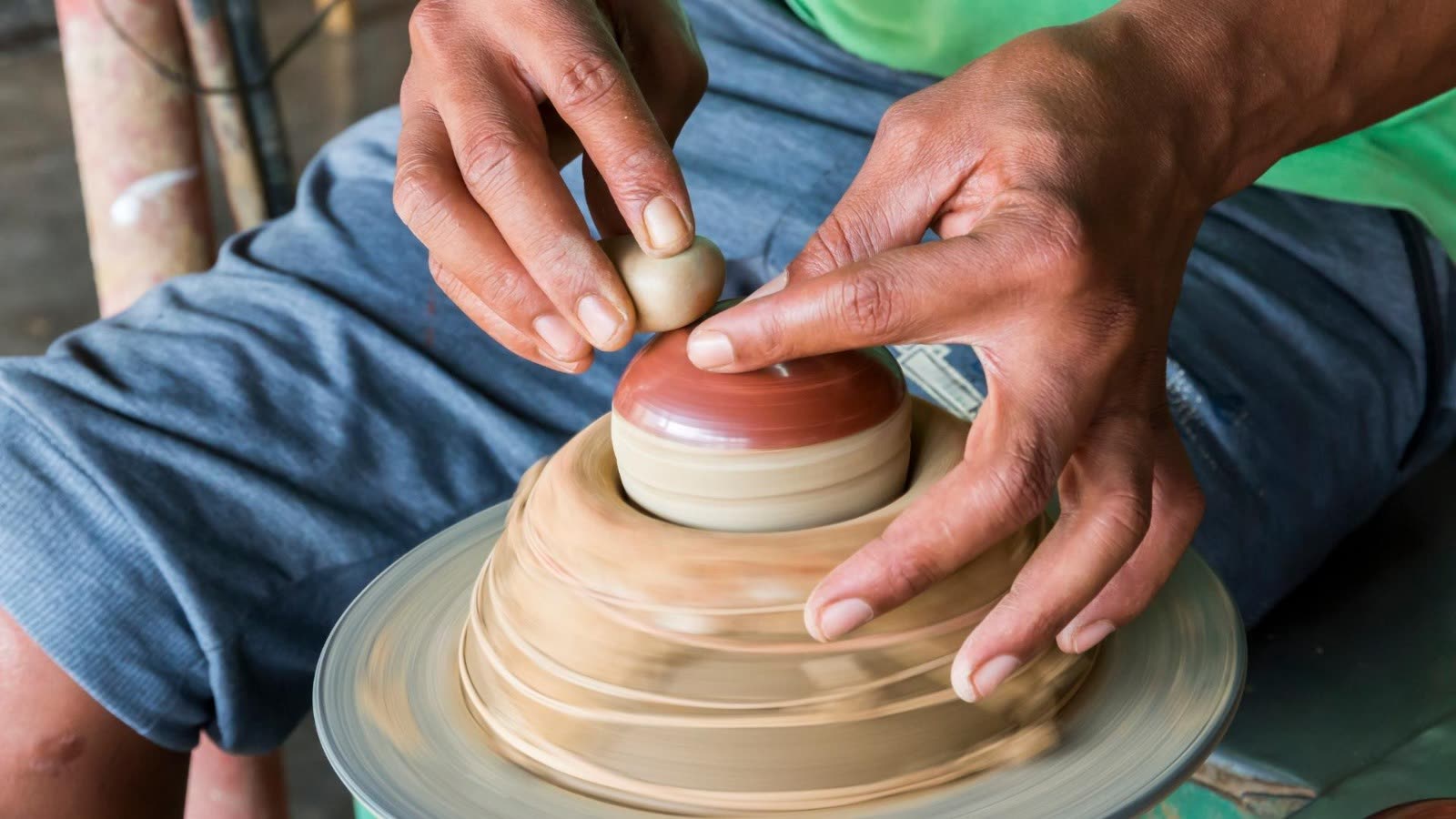
Bowls, gourds and vessels for daily use
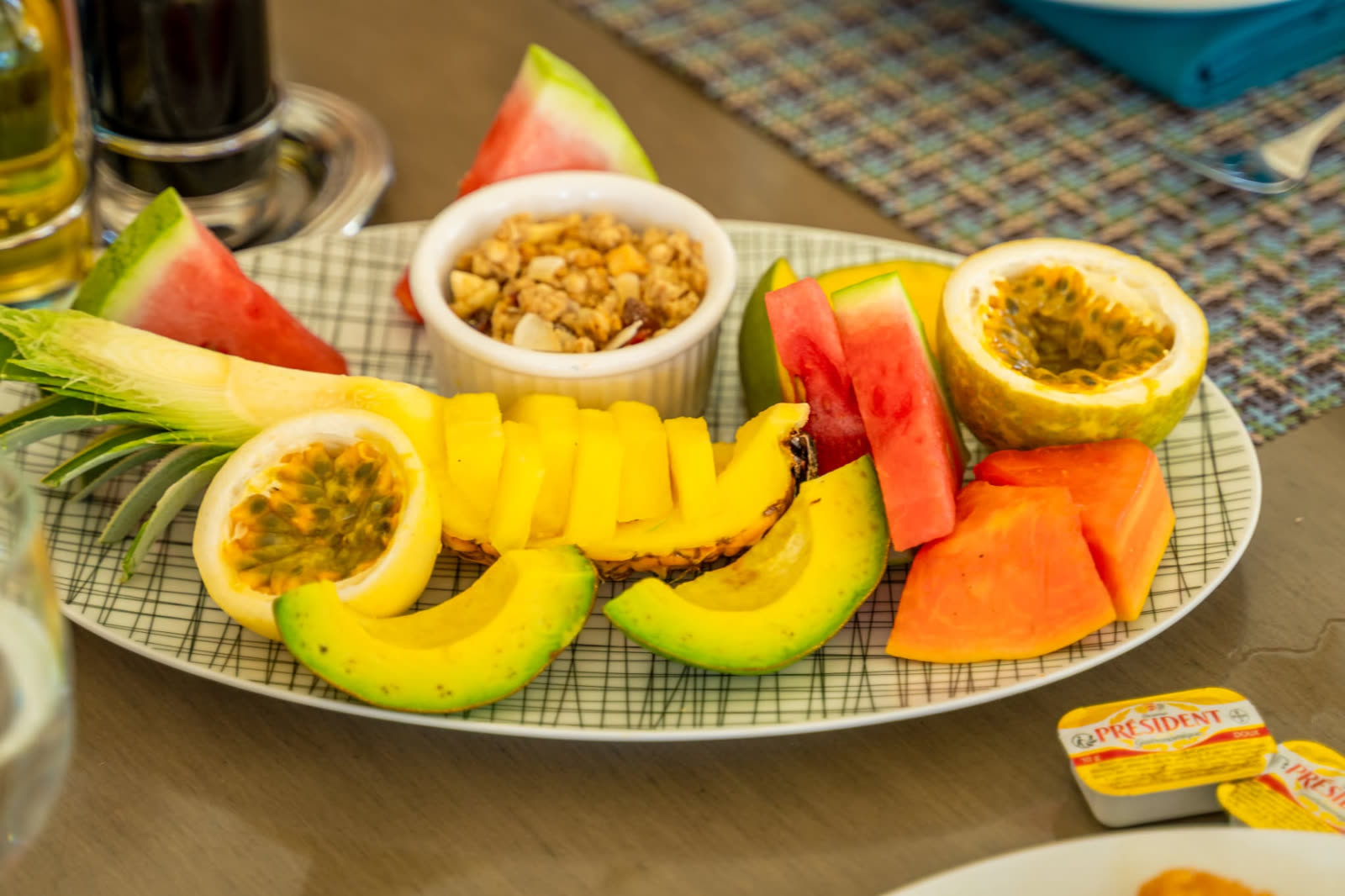
01
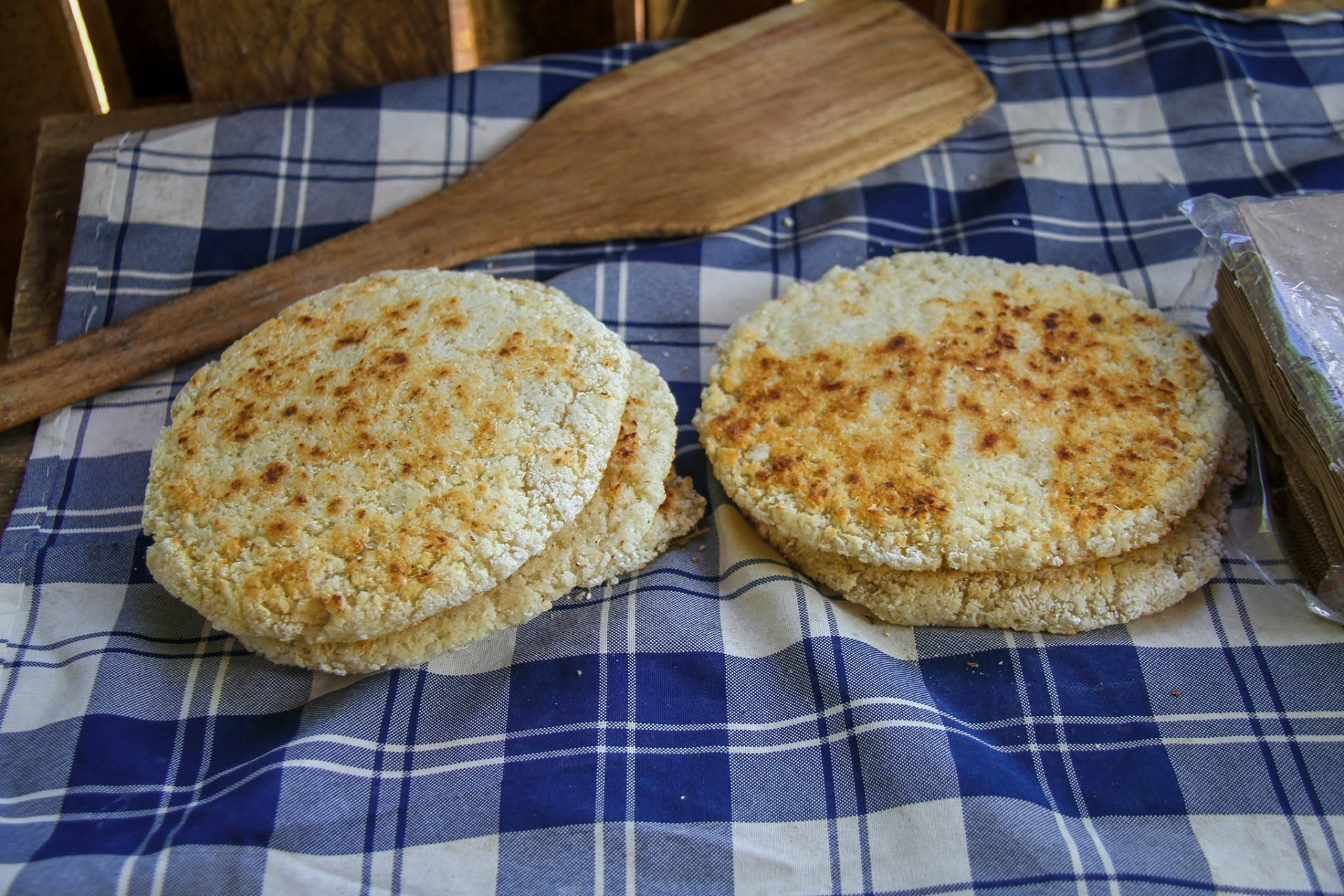
Grated, pressed and baked on a clay griddle, the oldest bread in the Caribbean
02
Atlantic snapper and crayfish, cooked simply with lime and pepper
03
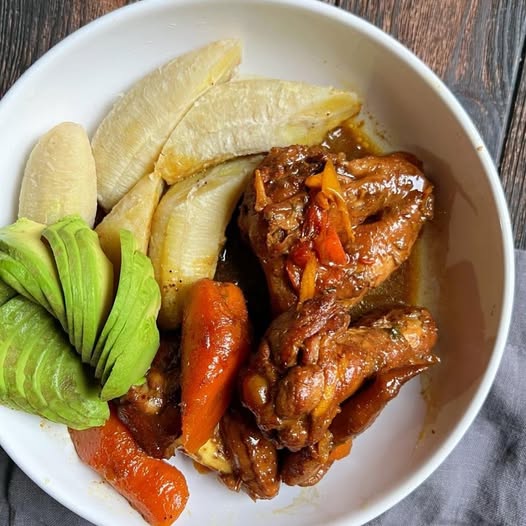
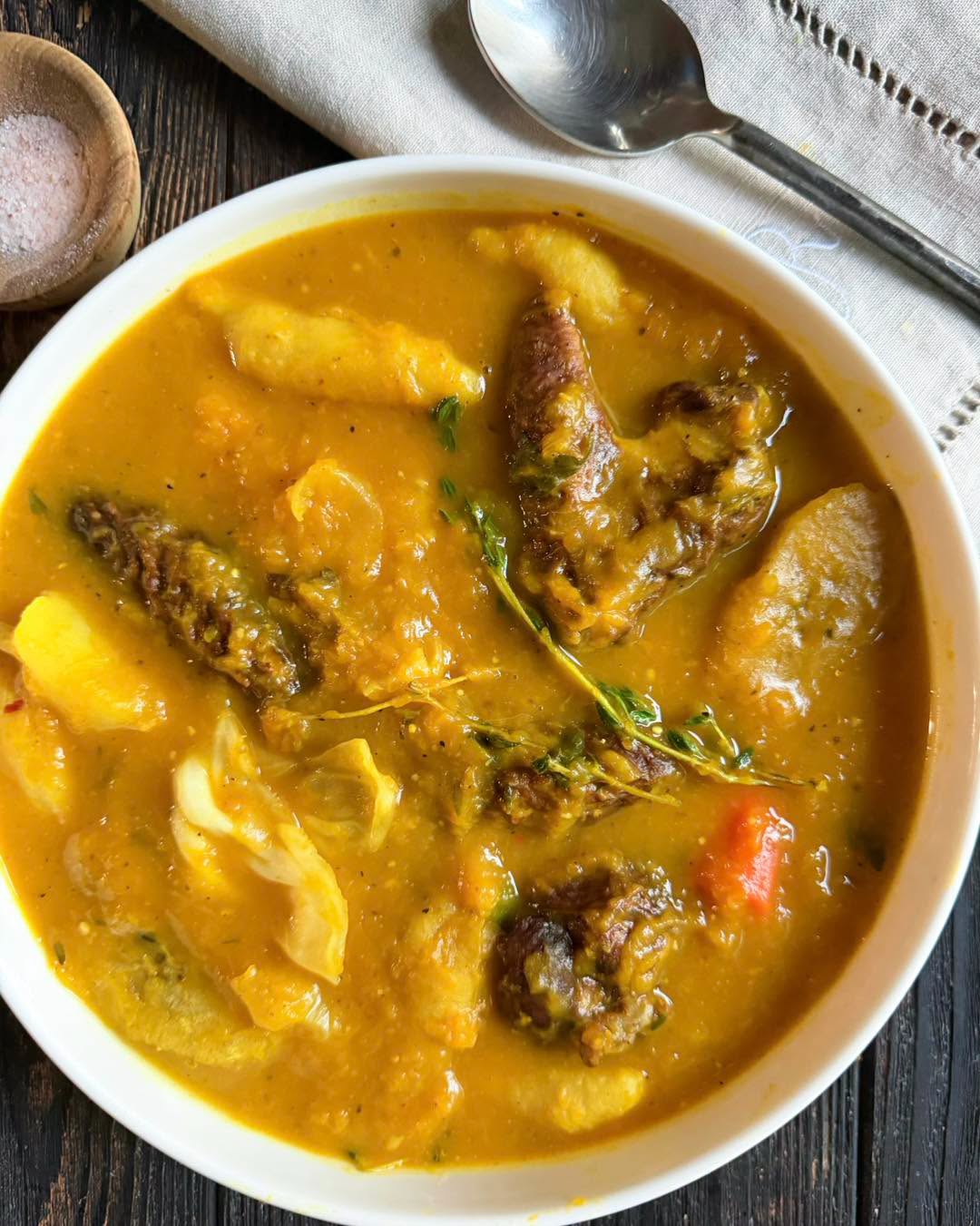
Dasheen, yam, plantain and tannia from the volcanic soil
04
Lemongrass, basil, soursop and cinnamon gathered from the garden
“We are not the last of anything. We are the ones still here.”
“My hands learned this before I could read.”
“The sea tells you when. You only have to listen.”
“The rhythm is a language we never lost.”
“We are Kalinago now, not only in the past tense.”
3,000
People in the territory
8
River villages
1903
Land held in common
1
Only such nation left
The territory governs itself through an elected Chief and Council, with communal land held for the whole community.
Teenagers stream music, play cricket and learn the Kalinago language back into daily use.
Visits are hosted by families and guides who set the pace, the price and the boundaries.
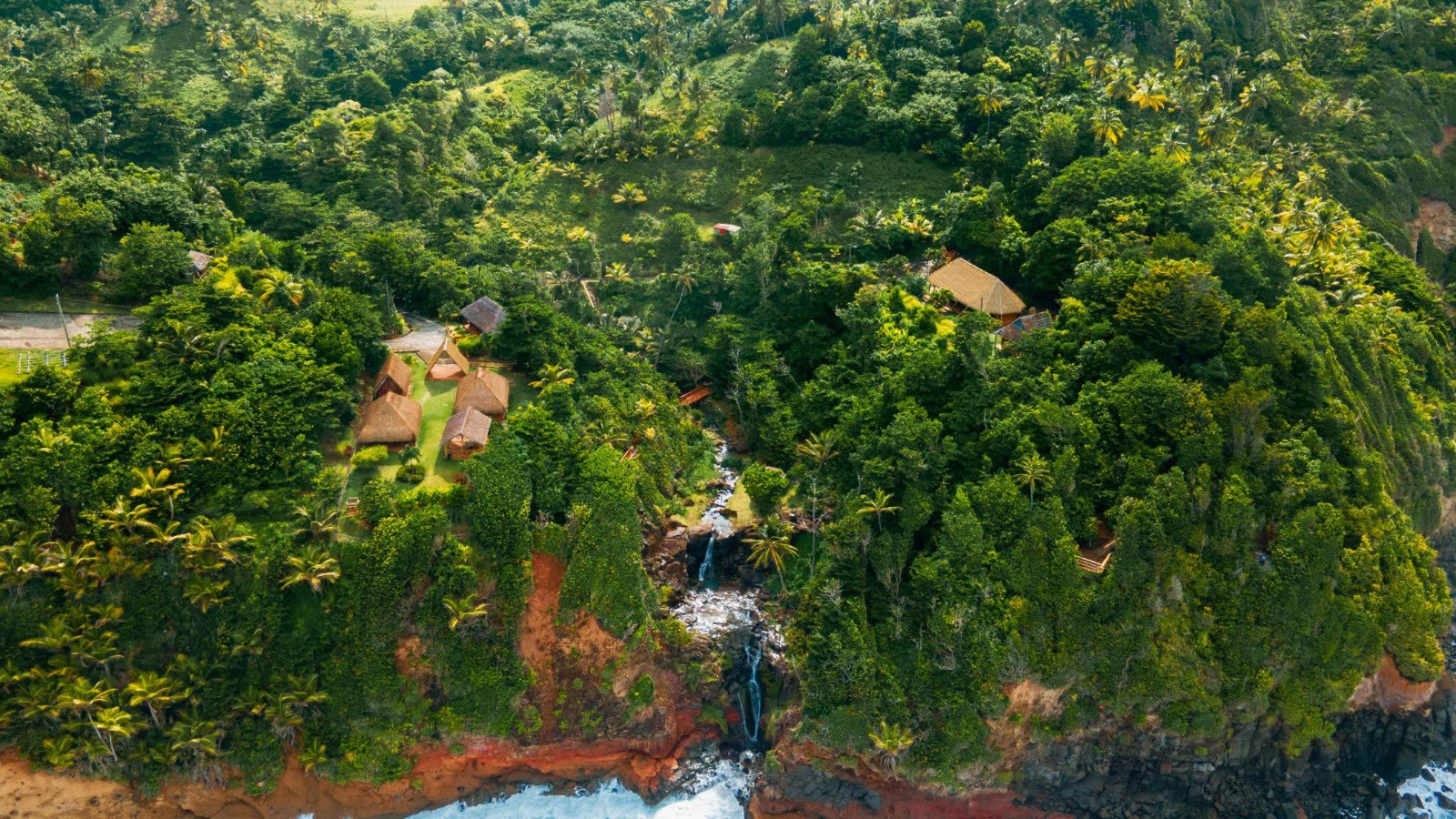
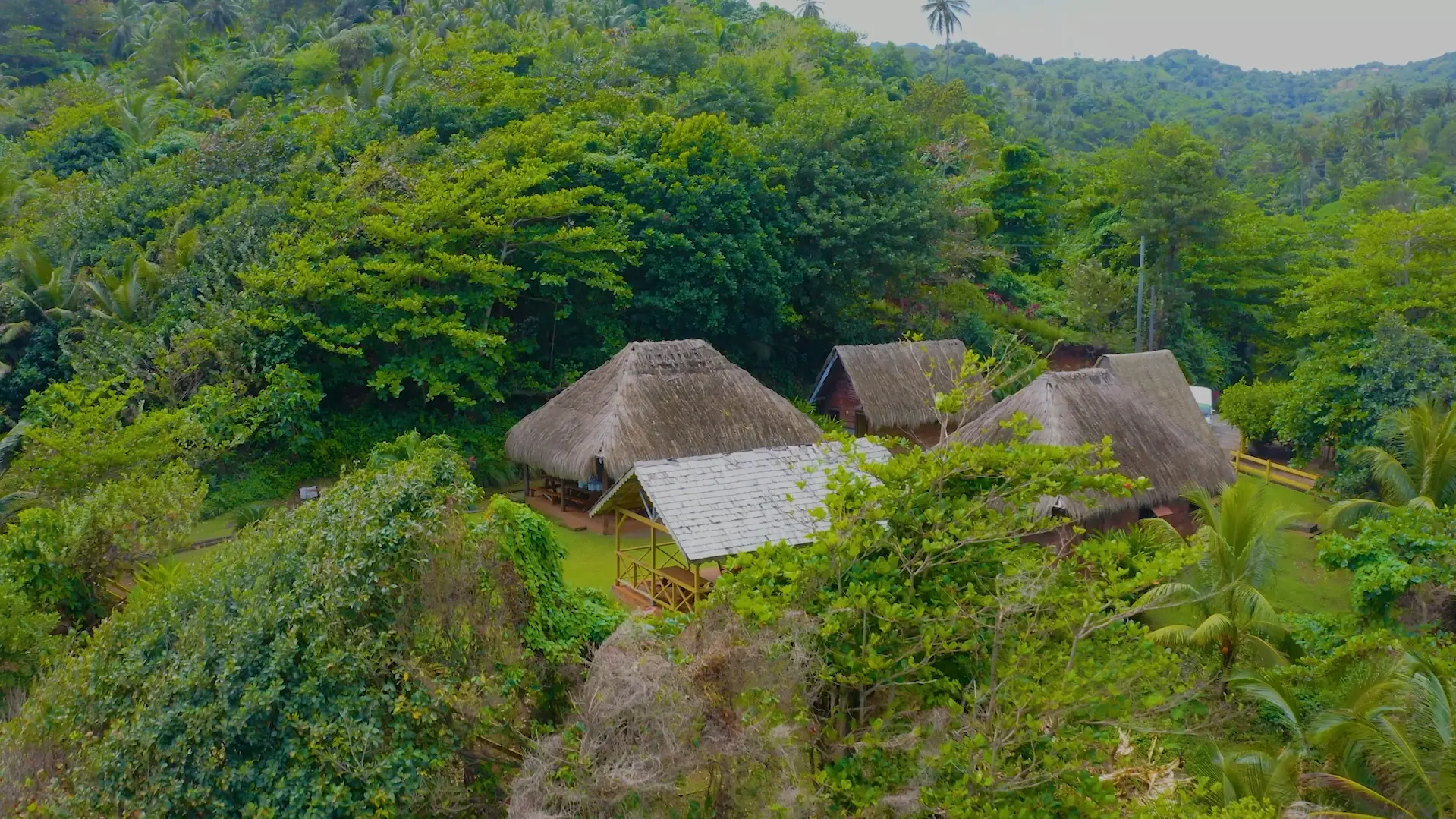
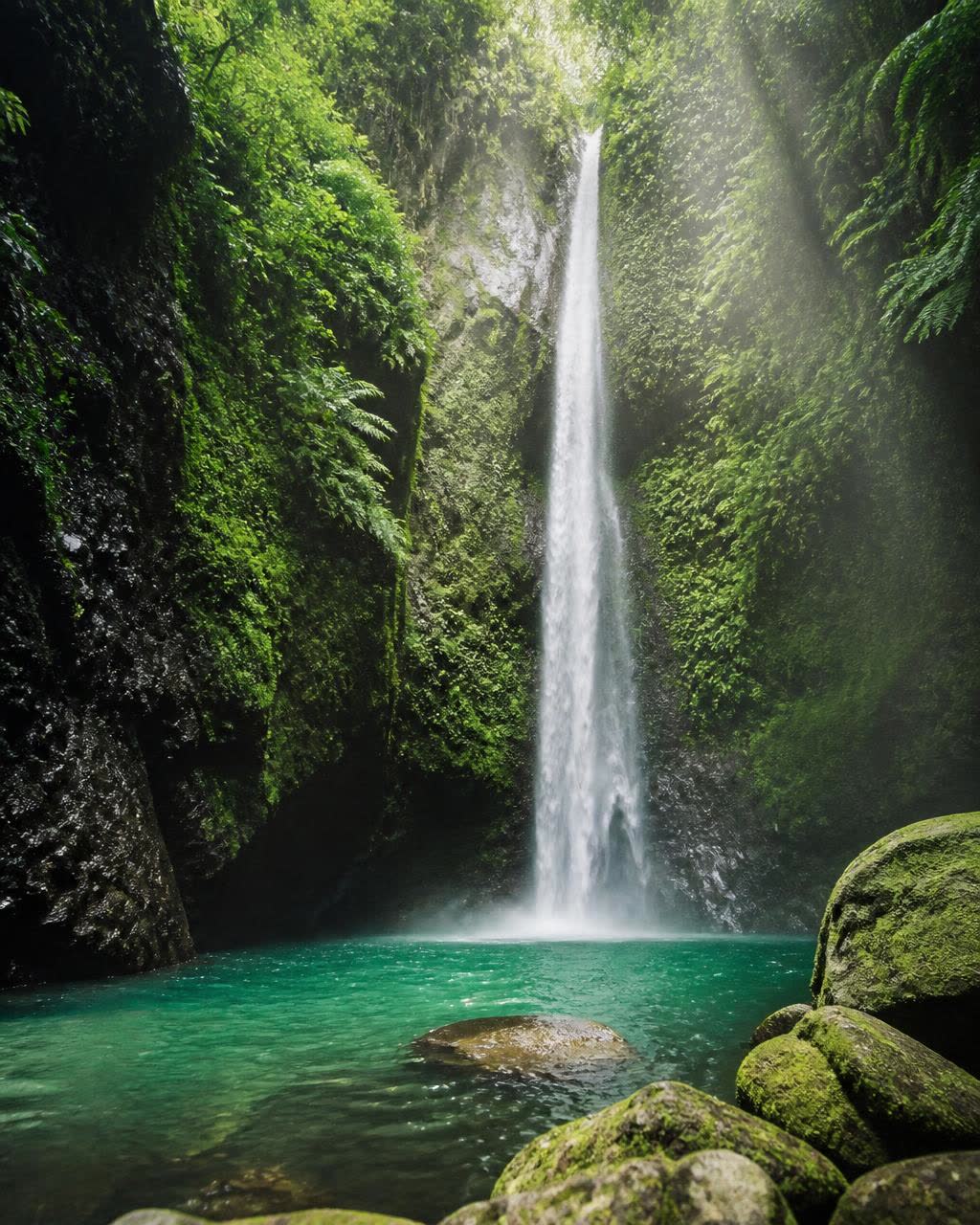
Thatched karbets, craft demos and Isulukati Falls
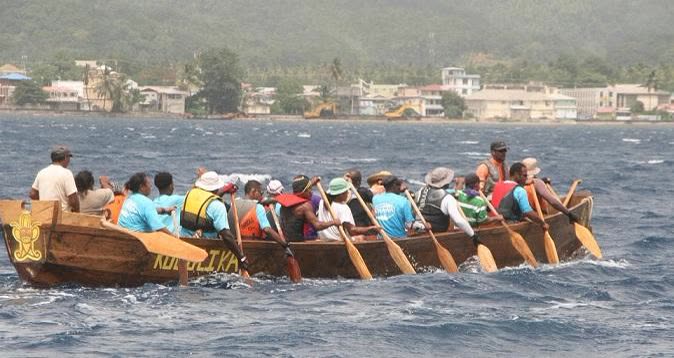
Watch a gommier trunk become a working boat
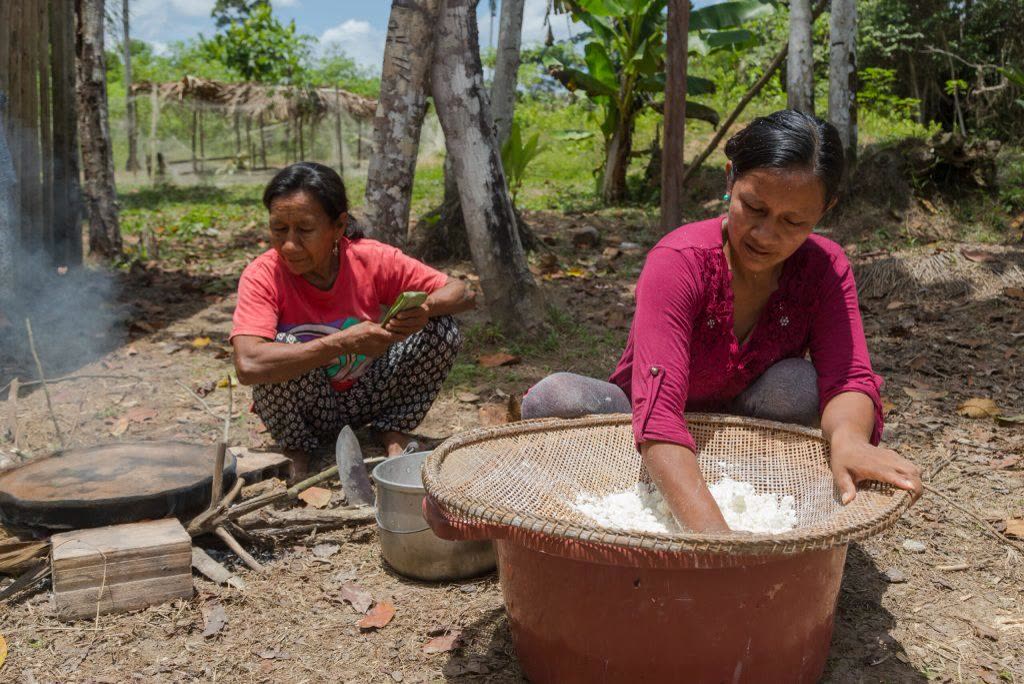
Grate, press, bake and eat the oldest island bread
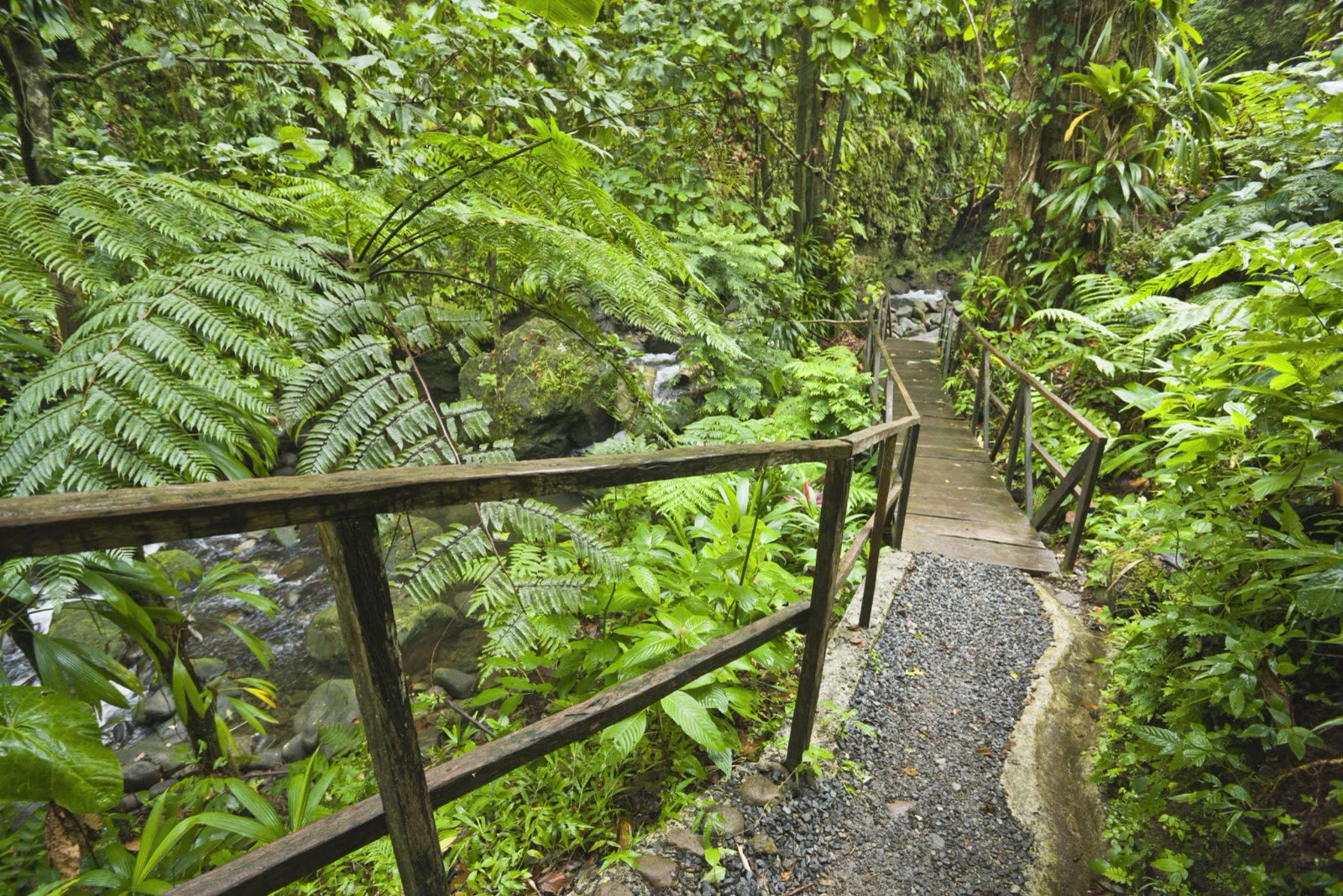
Guided trails from ridge to Atlantic surf